Publications
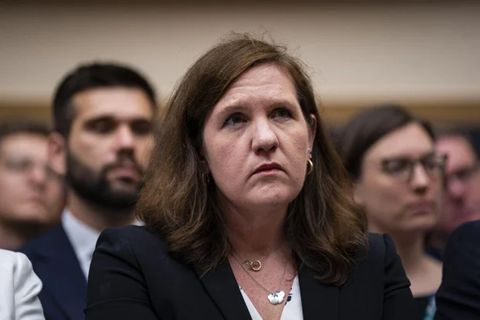
Europe research fellow Claire Lavin co-wrote an article arguing that Google’s proposed $32 billion acquisition of Wiz would dangerously concentrate control over Europe’s cloud security infrastructure in the hands of a U.S. tech gatekeeper, threatening competition, data governance, and digital sovereignty—and must be rigorously investigated and potentially blocked by EU regulators.
CJL director Courtney Radsch argues that today’s AI systems—shaped by market concentration, surveillance-based business models, and weak regulation—are evolving into an infrastructure of cognitive control that threatens freedom of thought, human agency, and democracy unless firm legal, structural, and human-rights–based constraints are imposed.
Policy director Phil Longman warns that unchecked Big Tech and AI monopolies are rapidly undermining the economic foundations of a free press and urges urgent public support for policy-focused journalism, like the Washington Monthly, as essential to preserving democracy and meaningful freedom of speech.
Legal director Sandeep Vaheesan explores the debate between antitrust reformers and Marxist critics, arguing that antitrust law can serve as a tool for democratizing economic life when paired with broader political movements.
Reporter Austin Ahlman writes about how the Supreme Court’s likely overturning of Humphrey’s Executor could end agency independence and transform regulators like the FTC into direct instruments of presidential power.
Europe director Max von Thun argues that Europe’s response to Trump-era pressure on digital regulation must combine tough enforcement against Big Tech with major investment in homegrown technology, warning that efforts to weaken landmark laws like the AI Act and GDPR threaten European sovereignty and democratic security.
Industrial Policy Program Manager Audrey Stienon writes that Europe’s landmark Green Deal is being weakened under pressure from Trump’s tariff threats and rising far-right influence, jeopardizing the EU’s climate ambitions and democratic sovereignty.
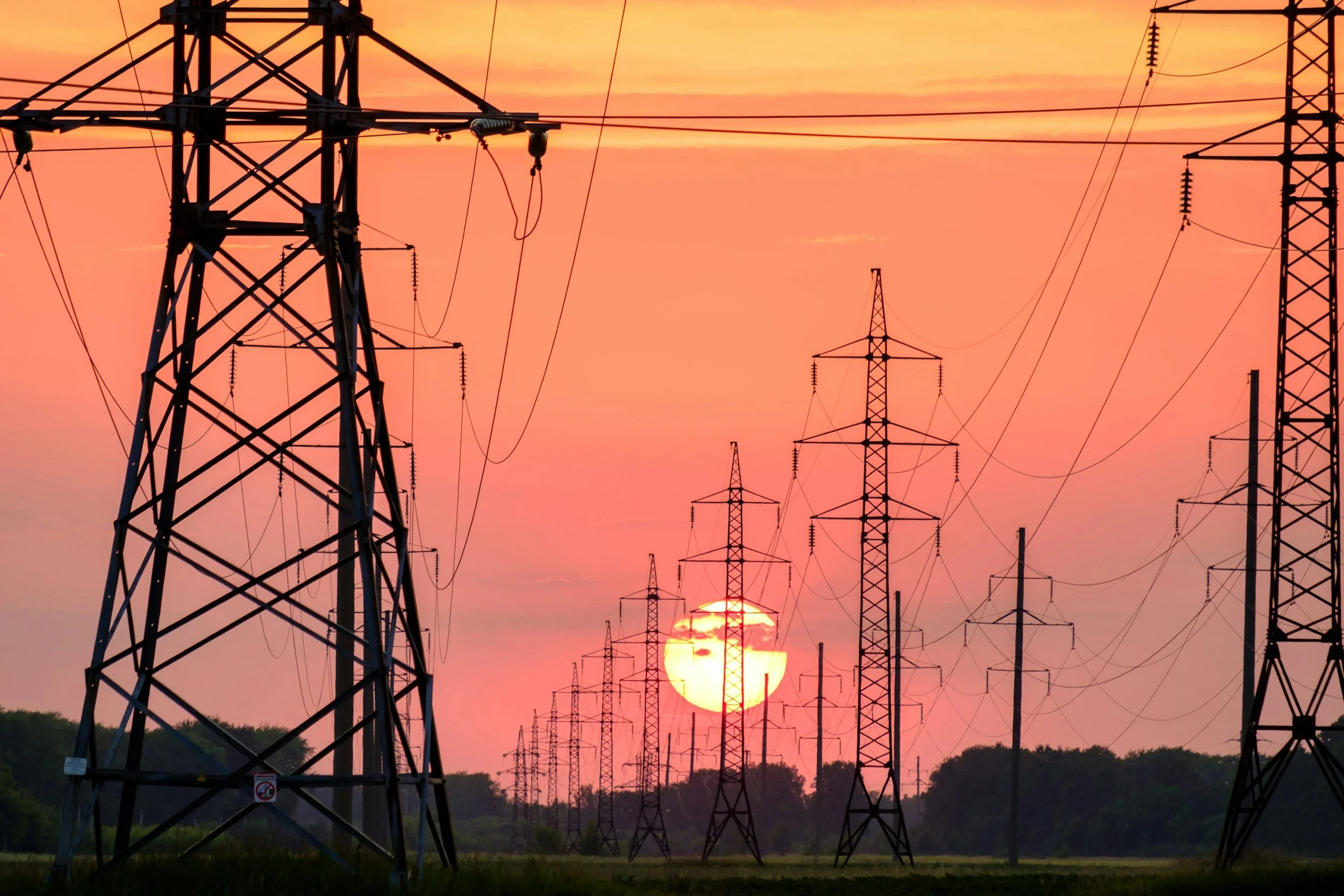
Legal director Sandeep Vaheesan argues that breaking up the control seven obscure regional transmission organizations exercise over huge parts of the country’s electrical grid would help lower exploding electricity costs.
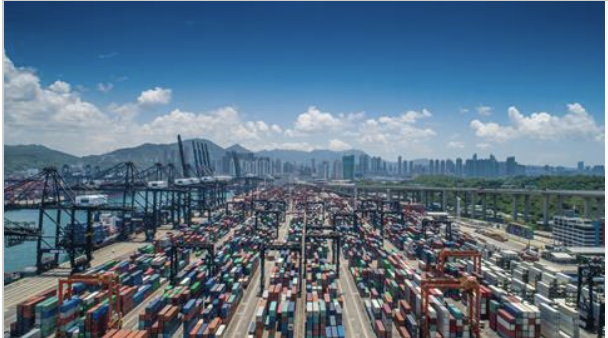
Transportation analyst Arnav Rao argues that the MSC–BlackRock port takeover would dangerously consolidate global shipping, undermining U.S. security and supply chain resilience rather than protecting it.
Reporter Austin Ahlman writes on profiling the Democratic candidates in a competitive race for Nebraska’s Second Congressional District.